welcome to Henan Pingyuan Mining Machinery Co., Ltd.
- All
- Product Name
- Product Keyword
- Product Model
- Product Summary
- Product Description
- Multi Field Search


Views: 0 Author: Site Editor Publish Time: 2026-07-18 Origin: Site
In modern industrial operations, efficient bulk material handling is crucial for maintaining productivity, reducing downtime, and ensuring workplace safety. From mining and cement production to power generation and chemical processing, the ability to transport heavy, abrasive, sticky, or high-temperature materials reliably is essential. Among various material handling solutions, scraper conveyor systems stand out as a versatile and durable option.
A scraper conveyor consists of a chain-driven system equipped with scraper blades that push materials along a trough. These conveyors are known for their durability, reliability, and ability to handle difficult materials that other systems might struggle with, such as abrasive, sticky, or hot materials. Unlike belt conveyors or screw conveyors, scraper conveyors minimize spillage, reduce material degradation, and are well-suited for harsh industrial conditions. Selecting the right type of scraper conveyor is critical for optimizing operational efficiency, lowering maintenance costs, and ensuring safe and continuous material flow on a production line.
This article provides a comprehensive guide on how to choose the right scraper conveyor for your production line, detailing key factors, conveyor types, and best practices to help industrial operators make informed decisions. By considering the different needs of your production process, you can identify the most effective scraper conveyor solution for your unique material handling challenges.
A scraper conveyor is a mechanical system designed to transport bulk materials along a trough using scraper blades attached to moving chains. These systems are engineered to handle heavy, abrasive, or sticky materials while maintaining a consistent and controlled flow.
How scraper conveyors work:
Material Loading: Bulk materials are fed into the conveyor trough, either manually or via other equipment.
Scraping Action: Scraper blades move along the conveyor, pushing the material forward in a continuous or intermittent manner. The blades scrape material off the trough to keep the flow smooth and prevent clogging.
Material Discharge: The material is then discharged from the conveyor system at the designated outlet, such as a storage facility, processing equipment, or secondary conveyors.
The primary advantage of scraper conveyors lies in their ability to handle materials that are difficult to convey via other methods. For instance, sticky materials can adhere to belt conveyors, causing blockages and inefficiencies. Scraper conveyors, on the other hand, push material forward without the risk of material accumulation, making them ideal for challenging bulk materials.
Scraper conveyors are essential for industries that handle bulk materials under challenging conditions. They offer advantages over other conveyor systems such as belt or screw conveyors, including:
Capability to handle heavy, abrasive, and high-temperature materials. Scraper conveyors are built to withstand the wear and tear that comes with transporting hard, abrasive substances, such as crushed ore or cement clinker.
Reduced spillage and dust generation. The enclosed nature of scraper conveyors minimizes spillage and the generation of airborne particles, ensuring a cleaner environment.
Continuous material flow for long-distance transport. Scraper conveyors are well-suited for transporting materials over long distances, whether horizontally or inclined.
Lower maintenance requirements due to durable components. With fewer moving parts compared to other conveyor types, scraper conveyors require less frequent maintenance, making them more cost-effective over time.
Component | Function |
Scraper Blades | Push material along the trough and maintain consistent flow |
Chains | Transmit motion from the drive system to scraper blades, ensuring continuous material transport |
Trough | Guides material along the conveyor path, minimizing spillage and ensuring material remains contained |
Drive System | Motor, gearbox, and sprockets control speed and torque, ensuring optimal material flow rates |
Tension & Safety Devices | Maintain chain tension and ensure safe operation of the conveyor system |
Understanding the function of these components is vital when choosing the right scraper conveyor system. The quality of these parts can affect the conveyor’s performance, durability, and maintenance needs.
When selecting a scraper conveyor, material properties are the most critical consideration. Different materials exhibit distinct characteristics that influence the design and capabilities required from the conveyor system.
For example:
Abrasion Level: High-abrasion materials such as ores, cement, or gravel require durable materials for the conveyor blades and chains. Heavy-duty scraper conveyors with reinforced chains and hard-wearing blades are necessary to handle such materials without excessive wear.
Moisture Content: Sticky or wet materials such as clay, slurry, or chemical sludges can easily clog up conventional conveyor systems. Scraper conveyors equipped with specialized scraper blades or self-cleaning mechanisms are essential for maintaining smooth operation in such environments.
Temperature: High-temperature materials such as molten slag or cement clinker can damage most conveyor systems. Choosing a scraper conveyor designed to withstand extreme temperatures is essential for industries like steelmaking and cement production.
Density & Particle Size: Dense materials like coal or gravel require more robust scraper conveyors that can handle the load and ensure smooth transport. Additionally, large or irregular particle sizes may necessitate a double-chain conveyor to ensure stability.
The layout and design of your production line will significantly impact the type of scraper conveyor required. Factors like available space, elevation changes, and material flow will guide your choice of horizontal, inclined, or U-trough conveyor systems.
Horizontal Layout: A horizontal scraper conveyor is typically used in applications where materials need to be transported across a flat surface. These systems are ideal for continuous material transport over long distances, where height or incline is not a concern.
Inclined Layout: Inclined scraper conveyors are designed to move materials vertically or at an angle. These conveyors are ideal for applications with multi-level plants or production processes that require elevation changes. Scraper conveyors can carry materials from one level to another with angles up to 35°, depending on material characteristics.
U-Trough Layout: A U-trough scraper conveyor design features a trough shaped like a "U", which effectively prevents material from spilling over the edges. This is particularly beneficial for handling large volumes of materials and preventing waste, especially when dealing with granular or loose substances. The U-shape also enhances material flow and minimizes the risk of blockages.
Proper layout selection ensures optimal material flow, reduces spillage, and minimizes maintenance.
The conveyor must be designed to handle the expected material volume and weight. This is influenced by:
Production Rate: Match the conveyor’s capacity with the rate at which material needs to be moved. A system designed for low-volume operations will not be suitable for high-throughput processes.
Distance: Scraper conveyors are capable of transporting materials over long distances, but the capacity and design must be chosen accordingly. For instance, double-chain conveyors are often required for longer transport distances and heavier materials.
Material Density: For denser, heavier materials like iron ore, reinforced conveyor systems that can withstand high loads without excessive wear or failure are necessary.
The environmental conditions in which the scraper conveyor will operate must also be taken into account:
Temperature Extremes: High-temperature applications, such as transporting molten metals or clinker, require conveyors made from heat-resistant materials.
Corrosive Environments: Chemical exposure requires the use of corrosion-resistant materials, such as stainless steel, to prevent deterioration of the conveyor system.
Dust & Contamination: If the material being conveyed generates dust, an enclosed conveyor or one with sealed troughs will be needed to contain the dust and prevent contamination.
Choosing a scraper conveyor with low maintenance requirements is essential for minimizing downtime and operational costs. Some factors to consider include:
Blade and Chain Wear: Materials like sand, gravel, and cement can cause significant wear on conveyor blades and chains. Heavy-duty blades and reinforced chains are necessary for long-term performance.
Ease of Maintenance: Select a system that allows easy access for cleaning, lubrication, and repairs. Modular designs often offer better access to components for maintenance.
Durability: Choosing a scraper conveyor made from durable, high-quality materials will extend the service life of the equipment and reduce the frequency of replacements and repairs.
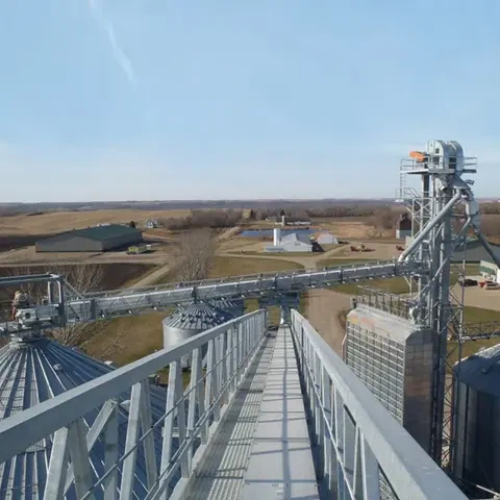
Understanding the main scraper conveyor types helps match equipment to production requirements.
Features:
One scraper chain running along the trough.
Compact, cost-effective, and suitable for light to medium loads.
Ideal for smaller production lines or operations with lower material volume.
Ideal Applications:
Small-scale operations or production lines with limited space.
Transporting light bulk materials such as powders or grains.
Features:
Two chains running in parallel, offering higher load capacity and better stability.
Capable of transporting heavier, denser materials over long distances.
Ideal Applications:
Heavy-duty mining or cement operations.
Handling dense, abrasive, or large-volume materials such as crushed ore or cement clinker.
Horizontal: Best suited for flat material transport across long distances.
Inclined: Ideal for applications requiring the transport of materials to higher levels or across multi-level plants.
U-Trough: Perfect for high-volume handling and materials prone to spillage, such as coal or grains.
High-Temperature Conveyors: These are heat-resistant and ideal for environments such as cement production or steelmaking.
Enclosed Scraper Conveyors: Used when dust containment is crucial or when materials are contaminated by airborne particles.
Custom Configurations: Designed for specific material handling needs, such as unique plant layouts or handling of specialized materials.
Selecting the right scraper conveyor supplier is just as important as choosing the right conveyor type. Consider the following:
Quality Assurance: Ensure the manufacturer has ISO certifications or meets recognized industry standards.
Experience: The supplier should have proven expertise in handling similar materials or production processes.
Support & Warranty: Verify the availability of after-sales support, technical assistance, and spare parts.
Customization Capability: Look for a manufacturer that offers tailored solutions to meet the unique requirements of your production line.
Assess Material Properties: Consider the abrasiveness, moisture, density, and temperature of the materials being transported.
Define Production Line Requirements: Evaluate the plant layout, distance requirements, and production rate.
Select Conveyor Type: Choose between single-chain, double-chain, horizontal, inclined, or U-trough based on material needs.
Check Environmental Compatibility: Ensure the conveyor is suitable for temperature extremes, corrosion, or dust concerns.
Evaluate Maintenance Needs: Consider ease of maintenance and expected service life.
Choose a Reputable Manufacturer: Opt for a company with experience and a strong reputation for quality and support.
Operational Efficiency: Smooth material flow reduces bottlenecks and increases throughput.
Reduced Downtime: Low-maintenance systems with durable components minimize production interruptions.
Enhanced Safety: Controlled material handling reduces the risk of accidents and material spillage.
Versatility: Suitable for a wide range of materials and plant configurations.
Cost Savings: Efficient systems reduce energy consumption and prolong the service life of conveyor components.
Choosing the right scraper conveyor is essential to the success of any production line that handles bulk materials. By thoroughly evaluating factors like material properties, conveyor layout, load capacity, environmental conditions, and maintenance needs, operators can make an informed decision that optimizes efficiency and minimizes downtime. Whether you need a single-chain, double-chain, horizontal, inclined, U-trough, or a specialized conveyor, the right system can streamline material flow, enhance operational safety, and reduce overall costs.
For companies looking to maximize the effectiveness of their material handling systems, Henan Pingyuan Mining Machinery Co., Ltd. offers high-quality scraper conveyors that are tailored to meet your specific production needs. Their team of experts can guide you through the selection process, ensuring you choose the perfect solution for your operational challenges. By partnering with them, you can ensure a reliable, durable, and cost-effective conveyor system that enhances your productivity. Get in touch with their knowledgeable staff today to explore the best scraper conveyor options for your production line and experience long-term operational efficiency.
Q1: What is the main consideration when selecting a scraper conveyor for heavy materials?
A: The most important factor is the conveyor’s load capacity and durability to withstand the abrasive nature of the material. Double-chain conveyors are often required for such heavy-duty applications.
Q2: How do I determine the right conveyor layout for my production line?
A: The layout should be based on available space, height constraints, and the need for material flow efficiency. For inclined transport, inclined scraper conveyors are ideal, while horizontal layouts suit continuous transport.
Q3: Can scraper conveyors handle wet or sticky materials?
A: Yes, scraper conveyors are ideal for such materials, especially when equipped with self-cleaning mechanisms or specialized scraper blades designed to prevent material build-up.
Q4: What are the benefits of using a double-chain scraper conveyor over a single-chain system?
A: Double-chain conveyors provide greater stability, capacity, and reliability when handling heavy, dense, or abrasive materials over long distances.
Q5: How do environmental factors affect scraper conveyor selection?
A: Factors like extreme temperatures, humidity, or chemical exposure require specialized materials such as heat-resistant or corrosion-resistant components.
Q6: How can I evaluate the maintenance requirements of a scraper conveyor?
A: Consider the durability of components, the ease of access for regular maintenance tasks, and the availability of replacement parts from the manufacturer.
